

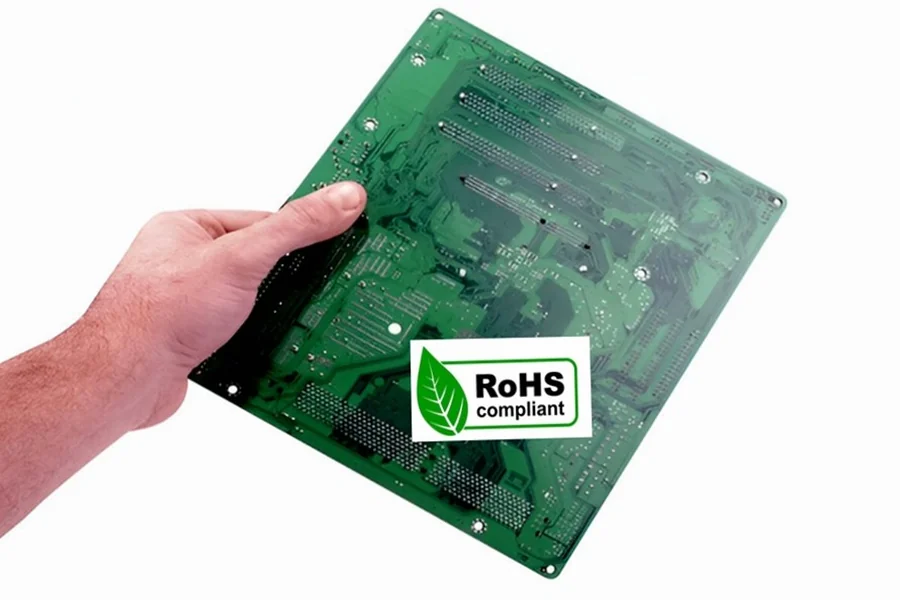
A RoHS PCB board refers to a printed circuit board that complies with the Restriction of Hazardous Substances (RoHS) directive, which limits the use of certain harmful materials in electronic products. RoHS compliance is crucial for reducing the environmental and health impacts of hazardous substances like lead, mercury, cadmium, hexavalent chromium, and certain flame retardants.
RoHS PCB boards are designed to meet stringent environmental standards without compromising performance, making them essential for companies selling electronics in markets where RoHS regulations apply, such as the European Union and many other countries.
Key Features of RoHS PCB Board
The defining feature of a RoHS PCB board is that it uses materials and manufacturing processes that avoid restricted substances. Lead-free solder, halogen-free laminates, and environmentally safe surface finishes such as ENIG (Electroless Nickel Immersion Gold) or HASL lead-free are common choices.
These boards not only meet compliance requirements but also maintain high reliability, mechanical strength, and thermal stability for various applications.
Advantages of RoHS PCB Board
One of the main advantages of a RoHS PCB board is its environmental friendliness. By eliminating hazardous materials, these boards help reduce pollution, make recycling safer, and support global sustainability efforts.
Additionally, RoHS-compliant boards are widely accepted in international markets, giving manufacturers a competitive edge. They also reduce risks associated with toxic exposure during manufacturing, handling, and disposal.
Applications of RoHS PCB Board
RoHS PCB boards are used in nearly all modern electronics, including consumer devices like smartphones, laptops, and wearables, as well as industrial equipment, medical devices, automotive electronics, and telecommunications systems.
Any product intended for sale in RoHS-regulated markets must use RoHS-compliant boards, making this standard essential for global trade.
Manufacturing Considerations for RoHS PCB Board
Producing a RoHS PCB board requires strict control over materials sourcing and manufacturing processes. Manufacturers must ensure that raw materials, solder, plating, and finishes meet RoHS thresholds.
Special care is taken during soldering, as lead-free solder typically requires higher melting points and different thermal profiles compared to traditional lead-based solder. Manufacturers also need to maintain proper documentation and testing to prove compliance.
Future Outlook of RoHS PCB Board Technology
As environmental regulations expand worldwide, demand for RoHS PCB boards will continue to rise. Future developments will likely focus on halogen-free materials, improved lead-free solder performance, and even more sustainable production techniques.
Companies that embrace RoHS compliance not only meet legal requirements but also enhance their brand reputation and appeal to environmentally conscious customers.
Choosing the Right RoHS PCB Board Manufacturer
Selecting an experienced rohs pcb board manufacturer is essential for achieving full compliance and high performance. A professional rohs pcb board manufacturer will use certified materials, advanced lead-free assembly processes, and strict quality control measures to deliver reliable, eco-friendly boards. Working with the right rohs pcb board manufacturer ensures your products meet global environmental standards while maintaining exceptional quality and durability.
