

In the world of electronics, managing heat has become one of the biggest challenges for designers and manufacturers. With devices becoming smaller, faster, and more powerful, efficient thermal management is critical to ensuring performance and durability. This is where the Metal Core Circuit Board (MCPCB) plays a significant role. Unlike traditional PCBs, which use fiberglass materials like FR4, a Metal Core Circuit Board integrates a layer of metal—commonly aluminum or copper—at its base. This unique structure enables superior heat dissipation, making it ideal for high-power applications such as LED lighting, automotive electronics, power supplies, and industrial equipment.
What is a Metal Core Circuit Board?
A Metal Core Circuit Board is a type of PCB designed with a thermally conductive base layer, usually made of aluminum, copper, or a special alloy. The primary function of this metal base is to divert heat away from heat-generating components and spread it evenly across the board. Above the metal layer lies a dielectric insulation layer that separates the conductive traces from the metal core while maintaining good thermal conductivity.
This structure gives the board its high heat resistance, durability, and enhanced performance in environments where conventional boards would fail due to overheating. Because of these properties, Metal Core Circuit Boards are now widely used in industries that rely heavily on high-power electronics.
Advantages of Metal Core Circuit Board
The Metal Core Circuit Board offers several advantages over standard FR4 boards. Its superior thermal conductivity ensures that heat is effectively transferred from components, preventing overheating and extending the lifespan of devices. In applications such as LED lighting, this property allows LEDs to operate at higher brightness levels without performance degradation.
Another major benefit is mechanical strength. The metal base provides rigidity, reducing the risk of bending or cracking, which is especially useful in automotive and industrial environments. The board also reduces thermal expansion mismatches between components and substrates, minimizing stress and preventing solder joint failures.
Furthermore, Metal Core Circuit Boards enable high-density designs by allowing more powerful components to be placed in compact spaces without overheating concerns. This combination of heat management, durability, and compactness makes them an essential choice for modern electronics.
Applications of Metal Core Circuit Board
The use of Metal Core Circuit Boards has expanded rapidly across industries due to their unique benefits. One of the most common applications is in LED lighting systems. Since LEDs generate significant heat, MCPCBs provide the necessary thermal management to ensure consistent brightness and long service life.
In the automotive industry, these boards are used in headlamps, electric vehicle (EV) systems, and safety electronics where reliability under high thermal stress is essential. Similarly, in telecommunications, they play a role in base stations and power amplifiers where high-frequency performance and heat control are critical.
Other industries such as aerospace, medical devices, and renewable energy also depend on MCPCBs. For example, power converters in solar energy systems and high-performance equipment in medical imaging both rely on these boards to maintain stability and safety.
Design and Structure of Metal Core Circuit Board
The structure of a Metal Core Circuit Board generally consists of three main layers: the metal base layer, the dielectric layer, and the copper circuit layer. The metal base acts as the heat spreader, usually made from aluminum for cost efficiency or copper for superior conductivity.
The dielectric layer, which lies between the metal base and copper circuit, is a thermally conductive but electrically insulating material. Its thickness and quality significantly influence the board’s thermal resistance. On top of this dielectric layer lies the copper foil, where the conductive traces are etched to connect electronic components.
Some Metal Core Circuit Boards may also be designed as multilayer boards, where multiple layers of dielectric and circuit material are laminated with a single shared metal core. This allows for more complex designs while maintaining excellent heat dissipation.
Importance in Modern Electronics
The rapid development of high-power and high-density electronics has made the Metal Core Circuit Board more important than ever. Devices such as LED headlights, 5G base stations, and industrial automation systems demand boards that can handle higher currents and temperatures. Without proper heat management, these devices would suffer from reduced efficiency, frequent failures, and shorter lifespans.
By integrating a metal core, these boards provide an efficient and reliable solution. They not only enhance performance but also contribute to sustainability by reducing energy losses and extending product life cycles.
Manufacturing Process of Metal Core Circuit Board
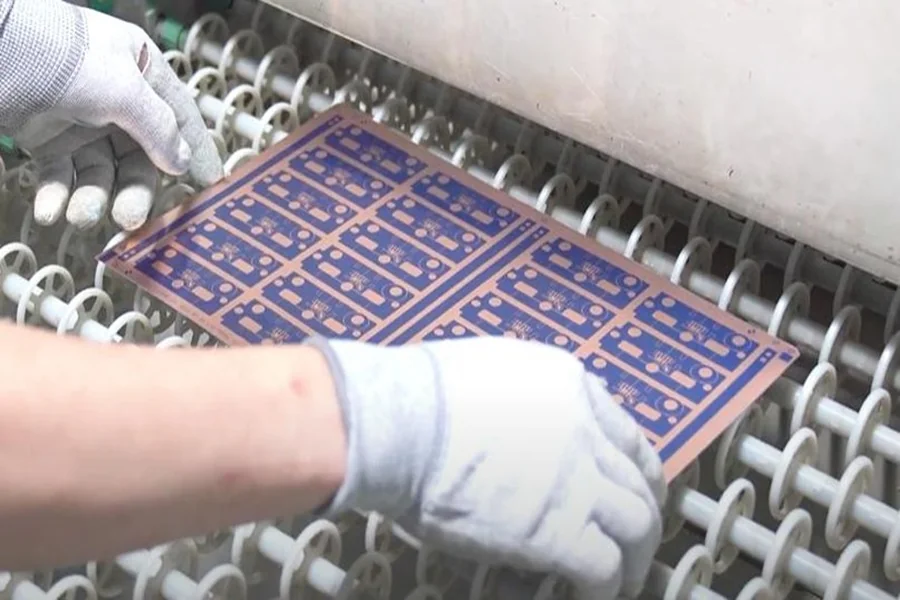
The manufacturing of a Metal Core Circuit Board requires specialized processes. The choice of metal base material is crucial, as it directly affects heat transfer efficiency. The dielectric layer is carefully selected for thermal conductivity and electrical insulation. Etching of copper layers is performed with tight tolerances to maintain accuracy and reliability.
During assembly, special soldering techniques may be used to handle components that generate high heat. Rigorous testing follows, including thermal cycling, electrical testing, and reliability assessments, to ensure that the final product can withstand demanding conditions.
Conclusion
The Metal Core Circuit Board has revolutionized the way electronic devices handle heat and high power. Its unique combination of thermal management, mechanical strength, and design flexibility makes it indispensable across industries ranging from automotive to renewable energy. As devices continue to demand higher performance in smaller packages, the role of MCPCBs will only grow stronger.
For businesses looking to implement this advanced technology, choosing the right partner is essential. Working with an experienced Metal Core Circuit Board Manufacturer ensures access to high-quality materials, precision engineering, and reliable production processes that meet modern application demands. With the right manufacturer, you can achieve superior performance, durability, and innovation in your electronic designs.
