

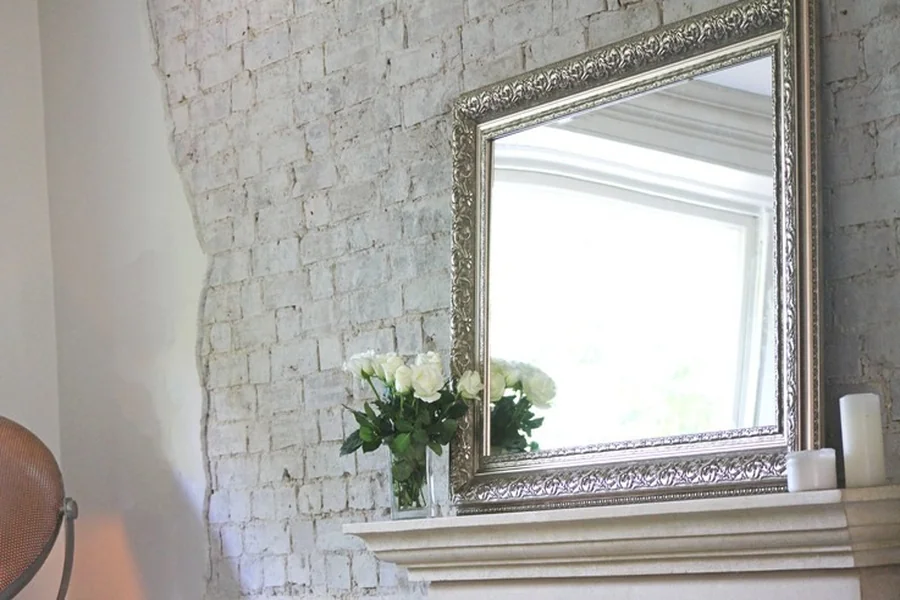
When it comes to interior design that blends timeless beauty with modern sophistication, architectural antique mirror glass stands out as a unique and versatile choice. This decorative element, known for its aged and weathered appearance, adds depth, texture, and character to a wide range of residential and commercial spaces.
In this article, we’ll explore what architectural antique mirror glass is, how it’s made, where it’s used, and why it’s becoming a favorite among designers, architects, and homeowners.
What Is Architectural Antique Mirror Glass?
Architectural antique mirror glass refers to mirror panels designed to replicate the look of aged or vintage mirrors. Unlike standard mirrors, which offer a perfect reflection, antique mirror glass features intentional imperfections such as:
- Oxidation marks
- Discoloration
- Subtle patterns (smoke, cloud, speckle, or marble-like)
- A slightly distressed finish
These features are not defects—they’re artistic touches that recreate the charm of antique mirrors found in historic homes, old European buildings, or vintage furnishings. When combined with architectural elements like paneling, molding, or custom framing, antique mirror glass becomes a striking visual centerpiece.
How Is Antique Mirror Glass Made?
The process of creating antique mirror glass involves treating the back of standard mirror panels with special chemical solutions that mimic natural aging. This is often done by hand, ensuring that each panel is unique. Some common techniques include:
- Chemical Aging – Controlled application of acid or oxidizing agents to create the desired patina.
- Silvering Variations – Adjusting the reflective coating during manufacturing to allow for uneven reflection.
- Hand-Finishing – Skilled artisans may distress or texture the mirror manually for a one-of-a-kind effect.
The result is a beautifully flawed mirror with a vintage appeal, perfect for architectural applications.
Why Choose Architectural Antique Mirror Glass?
- Aesthetic Appeal
Antique mirror glass adds a layer of visual interest that’s difficult to achieve with modern mirrors or standard decor. The mottled, reflective surface plays with light in unique ways, making spaces feel more dynamic and luxurious.
- Versatility
It can be integrated into almost any design style—whether you’re aiming for old-world charm, industrial chic, or contemporary elegance. It pairs well with natural wood, wrought iron, brass, and marble.
- Illusion of Space
Like all mirrors, antique mirror glass can make small spaces feel larger and more open. Its reflective quality adds depth without being too harsh or clinical.
- Timeless Character
Unlike modern mirrors, which can sometimes look too sterile, antique mirror glass has a lived-in, organic quality. It brings warmth and authenticity to both traditional and modern spaces.
Common Applications of Architectural Antique Mirror Glass
-
Wall Paneling
Used in large sheets or geometric panels, antique mirror glass adds drama and texture to walls. It’s especially popular in dining rooms, entryways, or feature walls in living areas.
-
Furniture Inserts
Designers often incorporate antique mirror panels into cabinetry, wardrobes, and sideboards. It gives furniture a vintage or luxury finish without overpowering the piece.
-
Kitchen Backsplashes
An increasingly popular use of antique mirror glass is as a kitchen backsplash. It reflects light while hiding smudges and fingerprints better than regular mirrors, offering both style and practicality.
-
Ceiling Accents
In upscale interiors, antique mirror panels can be installed on ceilings to add dimension and reflect chandeliers or pendant lighting beautifully.
-
Retail and Hospitality Design
Boutiques, hotels, bars, and restaurants often use architectural antique mirror glass to create a luxurious ambiance. It helps elevate branding and customer experience through design.
Customization Options
Many manufacturers offer custom antique mirror glass to suit different projects. You can choose:
- Degree of aging (light, medium, or heavy distressing)
- Color tone (cool gray, warm bronze, gold, smoke)
- Cut-to-size panels for specific architectural installations
- Laminated or safety-backed options for commercial use
This makes it easy to match the mirror to your specific design vision.
Maintenance Tips
While antique mirror glass is durable, proper care can preserve its beauty:
- Use a soft, non-abrasive cloth for cleaning
- Avoid ammonia-based cleaners, which may damage the aged finish
- Install in areas away from excessive moisture if not sealed
Final Thoughts
Whether you’re restoring a historic property or adding vintage flair to a modern home, architectural antique mirror glass offers a unique combination of elegance, versatility, and character. It’s more than a mirror—it’s a statement piece that transforms spaces with its timeless charm.