

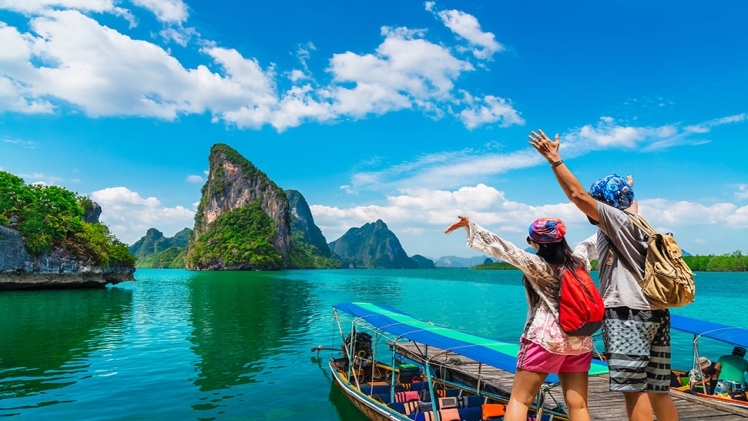
Camping is one of the most enjoyable outdoor activities that you can do with your friends and family. It’s a great way to spend time in nature and get away from the hustle and bustle of everyday life. However, planning a camping trip can be overwhelming, especially if you’re new to it. Here’s a guide to help you plan a memorable camping trip.
Choose Your Destination
The first step in planning a camping trip is to choose your destination. There are plenty of options to choose from, including national parks, state parks, and private campgrounds. If you want to know more you can go to sps4you.com. Consider the type of camping experience you want, whether it’s a backcountry wilderness adventure or a family-friendly campground with amenities. Research the area and make sure it offers the activities you want to enjoy, such as hiking, fishing, or swimming.
Determine the Type of Camping
The type of camping you choose will depend on your level of experience, the equipment you have, and the location you’ve selected. You may go to LAKHIRU.com for better information. There are four main types of camping: car camping, backpacking, RV camping, and glamping. Car camping is the most popular and involves driving to a campsite and setting up a tent or using a vehicle as a sleeping area. Backpacking involves hiking into the wilderness and carrying your gear on your back. RV camping involves renting or owning an RV and using it as a home base. Glamping is a more luxurious form of camping, often involving pre-set tents or yurts with comfortable amenities.
Make Reservations
Once you’ve chosen your destination and type of camping, make reservations for your trip. For better information, you may go to vayobusiness.com. Many campsites require reservations in advance, especially during peak season. You can check online for availability and book your site through the park’s website or a third-party booking site. If you’re planning a backcountry camping trip, you may need to obtain a permit or make a reservation for a specific campsite.
Gather Your Gear
The gear you’ll need for your camping trip will depend on the type of camping you’ve chosen. At a minimum, you’ll need a tent, sleeping bags, and a camp stove. If you are interested to know more information you can go to suandisaricikabilirmiyim.com. Other essential items include a cooler, headlamps or flashlights, and a first aid kit. If you’re car camping, you can bring more equipment, such as chairs, a portable grill, and games. If you’re backpacking, you’ll need to pack lighter and focus on essential gear.
Plan Your Meals
One of the joys of camping is cooking and eating in nature. Plan your meals in advance and bring the necessary ingredients and cooking utensils. Consider simple meals that are easy to prepare and don’t require many ingredients. You can also prepare some meals in advance and freeze them to make mealtime easier.
Prepare for the Elements
The weather can be unpredictable, so make sure you’re prepared for all types of weather conditions. Bring appropriate clothing for the climate, such as warm layers for cold nights or rain gear for wet weather. Don’t forget to bring sunscreen and insect repellent, as well as a hat and sunglasses to protect yourself from the sun.
Learn Leave No Trace Principles
Camping in nature is a privilege, and it’s essential to respect the environment and leave no trace. For more information, you can go to cmlawvn.com. Learn about Leave No Trace principles, which encourage campers to minimize their impact on the environment. This includes packing out all trash, minimizing campfire impact, and respecting wildlife and other campers.
Planning a camping trip can be an exciting and fun experience, allowing travelers to explore nature, spend time outdoors, and create lasting memories. However, there are several limitations that travelers should be aware of when planning a memorable camping trip.
Weather Conditions: The weather can be unpredictable, and extreme weather conditions such as rain, wind, and thunderstorms can disrupt travel plans and make camping uncomfortable or even dangerous.
Limited Access: Some camping destinations may be located in remote areas that can be difficult to access, particularly for those without a car or access to private transportation. This can make it more challenging to plan and organize a trip, as well as increase travel costs. If you want to search for an informative site you can go to anime14.net.
Availability of Campsites: Campsites can fill up quickly, particularly during peak travel seasons, making it difficult to secure a spot. It is important to book in advance and be flexible with travel dates to ensure availability.
Environmental Impact: Camping can have an impact on the environment, particularly if travelers are not respectful of the natural habitat. It is important to follow guidelines and regulations to minimize the impact on the environment and preserve the natural beauty of the area.
Equipment and Supplies: Camping requires a certain level of preparation and equipment, including tents, sleeping bags, cooking supplies, and food. It is important to have the necessary supplies and equipment to ensure a comfortable and enjoyable trip.
Safety Risks: Camping can pose safety risks, particularly if travelers are not familiar with the area or do not take proper safety precautions. It is important to be aware of potential hazards, such as wildlife, extreme weather, and uneven terrain, and to follow safety guidelines to avoid injury or harm.
Limited Amenities: Camping destinations may have limited amenities, such as showers, toilets, and running water. This can make camping uncomfortable or even unappealing for some travelers.
While planning a memorable camping trip can be a rewarding and enjoyable experience, there are several limitations that travelers should be aware of. By being prepared, following guidelines and regulations, taking safety precautions, and being flexible in their expectations, travelers can enjoy all that camping has to offer while minimizing potential risks and limitations.
In conclusion, planning a camping trip can be overwhelming, but with a little research and preparation, you can have a memorable outdoor experience. Choose your destination, determine the type of camping, make reservations, gather your gear, plan your meals, prepare for the elements, and learn Leave No Trace
